Workout Equipment Repair Costs
Understanding the factors influencing the cost of workout equipment repairs helps in planning maintenance budgets and making informed decisions about equipment management.
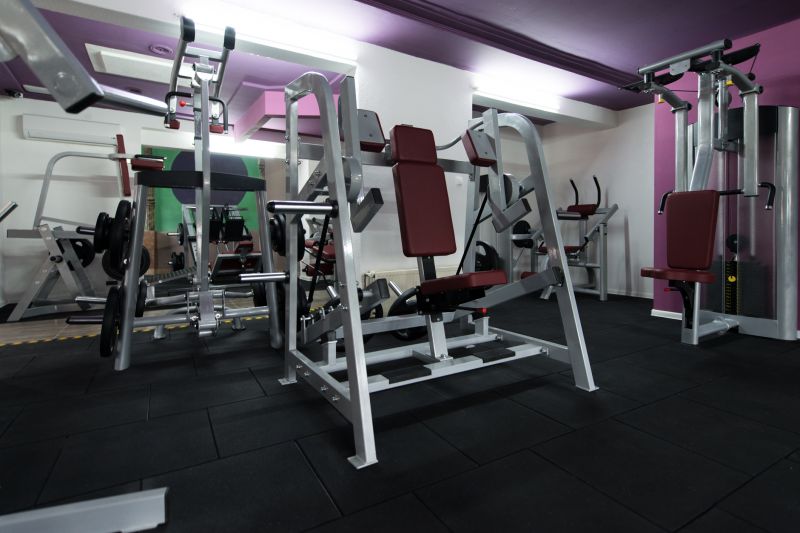
Older machines tend to require more extensive repairs, increasing overall costs.
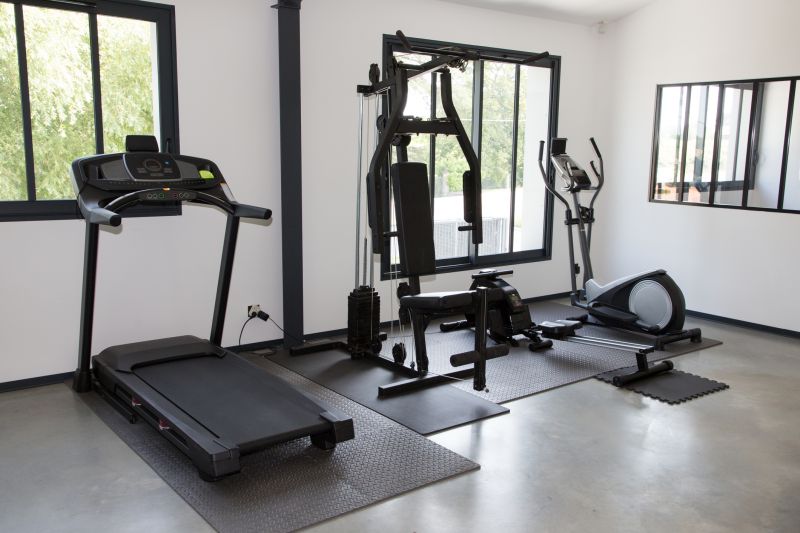
Minor fixes like belt replacements are less costly than major component overhauls.
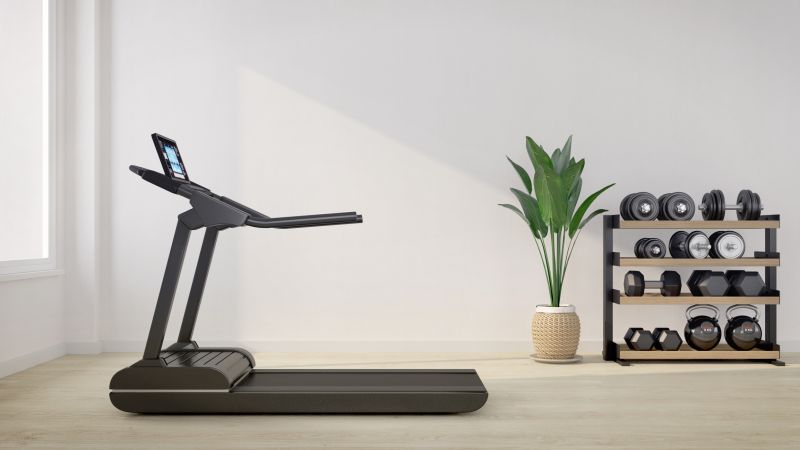
Repair costs vary based on geographic location and service accessibility.
| Factor | Impact on Cost |
|---|---|
| Equipment Age | Older equipment generally incurs higher repair costs. |
| Type of Equipment | Specialized or high-end machines tend to be more expensive to repair. |
| Extent of Damage | Minor issues cost less than extensive repairs or replacements. |
| Availability of Parts | Scarcity of parts can increase repair time and expenses. |
| Service Location | Remote locations may face higher labor and travel charges. |
| Repair Complexity | Complex repairs require specialized skills, raising costs. |
| Warranty Status | Warranty coverage can reduce or eliminate repair expenses. |
| Urgency of Repair | Emergency repairs often come with premium charges. |
The cost of workout equipment repairs varies widely depending on the nature of the issue, the equipment's age, and the availability of replacement parts. Minor repairs, such as replacing worn belts or lubricating moving parts, typically range from moderate to low costs. In contrast, major repairs involving motor replacements or structural fixes can be significantly more expensive, sometimes exceeding several hundred dollars. Service location also influences prices; repairs in remote areas or requiring urgent attention tend to incur higher charges. Proper maintenance and timely repairs can help mitigate unexpected expenses and prolong the lifespan of workout equipment.
Factors such as the specific type of equipment—treadmills, ellipticals, weight machines—and their complexity play crucial roles in repair costs. For instance, electronic components in high-end cardio machines may be costly to replace, while simpler mechanical parts in free weights or manual equipment are less expensive. Understanding these variables assists in budgeting for maintenance and avoiding unexpected financial burdens.
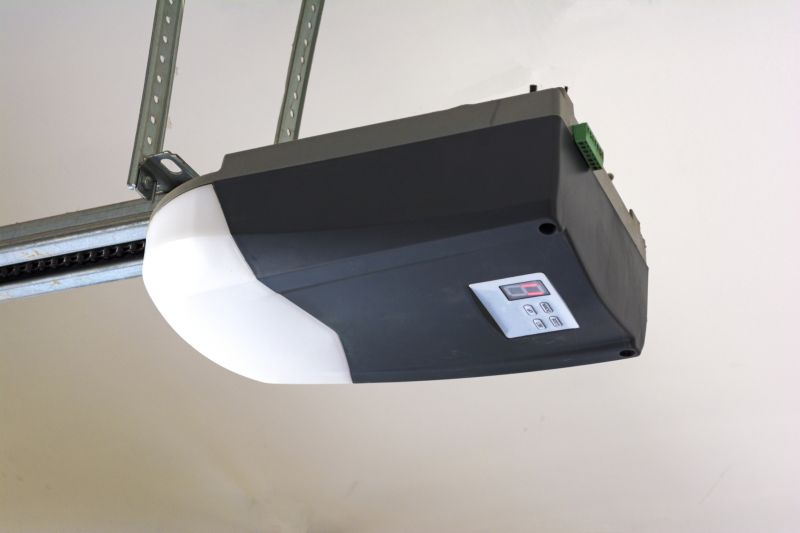
Replacing a motor can be a significant expense, often ranging from $200 to $600 depending on the model.
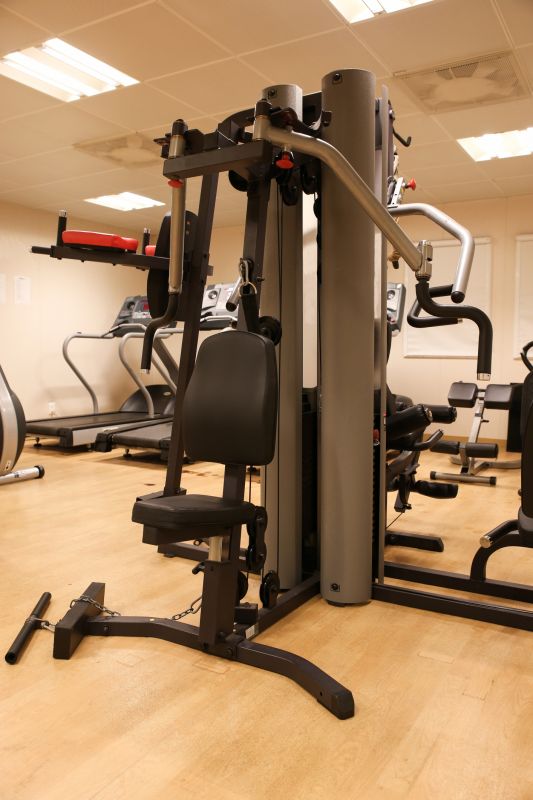
These repairs are typically less costly, averaging around $50 to $150.
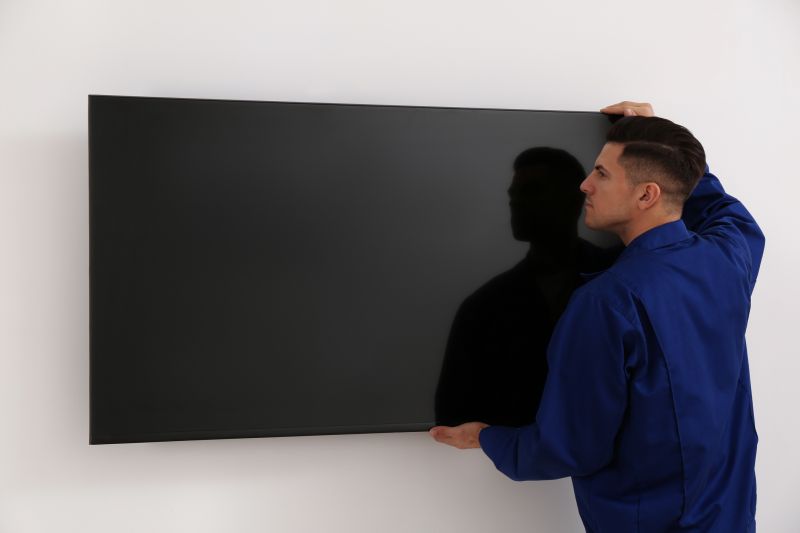
Electronic display repairs can cost between $100 and $300 based on the complexity.
| Service | Average Cost |
|---|---|
| Treadmill Belt Replacement | $75 - $150 |
| Elliptical Motor Repair | $200 - $600 |
| Stationary Bike Brake Adjustment | $50 - $100 |
| Weight Machine Cable Replacement | $100 - $250 |
| Rowing Machine Electronics Repair | $150 - $350 |
| Treadmill Deck Replacement | $300 - $700 |
| Dumbbell Handle Repair | $20 - $50 |
| Commercial Equipment Service | $200 - $1000 |
| Home Gym Assembly and Repair | $100 - $300 |
| Spinning Bike Tune-up | $60 - $120 |
Accurate assessment of repair costs requires a detailed inspection of the equipment. Regular maintenance can identify issues early, often reducing the severity and expense of repairs. For high-use facilities, establishing a proactive maintenance schedule minimizes downtime and ensures equipment remains in optimal condition.
Understanding the variables that influence repair costs enables better financial planning and equipment management. Whether addressing minor tune-ups or major component replacements, timely intervention can extend the lifespan of workout machines and maintain a safe, functional environment for users.